Barge Loads Cut, Logistics Costs Rise as Low Water Levels Put Pressure on Indonesia’s Coal Supply Chain
ICN News, Jakarta — Indonesia’s coal industry is facing a new logistical challenge as declining water levels along the Mahakam River in East Kalimantan disrupt the transportation of coal by barge.
The situation goes beyond a simple transportation issue. If low water levels persist, the disruption could affect the entire coal supply chain — from mining operations and stockpiles to loading ports, transshipment activities and export deliveries.
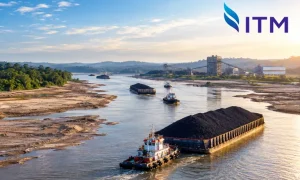
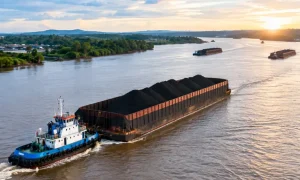
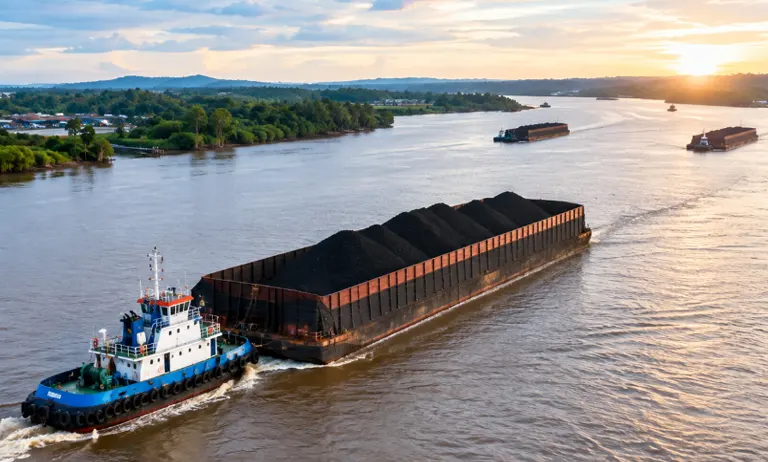
The Indonesian Coal Mining Association (APBI) has confirmed that declining water levels on the Mahakam River are hampering coal shipments. Reduced river depth has limited the draft of barges, preventing operators from carrying their full cargo capacity.
APBI has also warned that prolonged transportation constraints could lead to temporary increases in coal inventories at mine sites and port stockpiles.
Barge Loads Have To Be Reduced
One of the most immediate impacts is the reduction in barge loading capacity.
The Samarinda Port Authority (KSOP) has instructed companies and port operators to limit barge loads to approximately 5,500–6,000 tons, compared with normal capacity of around 7,000 tons.
The restriction is intended to maintain safe navigation as reduced river depth increases the risk of barges running aground.
For coal producers, the implication is straightforward: when each barge carries less coal, more trips are required to transport the same volume.
This inevitably puts pressure on transportation efficiency and logistics costs.
ITM Prepares Mitigation Measures
One company directly affected by the situation is PT Indo Tambangraya Megah Tbk (ITM).
ITM management has stated that the El Niño phenomenon has contributed to declining water levels on the Mahakam River, creating transportation challenges, particularly for mining operations in the Melak Cluster, West Kutai, East Kalimantan.
The company has prepared a number of mitigation measures based on its experience in dealing with similar conditions in previous years, including adjustments to coal loading volumes.
The situation highlights an important distinction within the coal supply chain: mining production may continue, but transportation capacity can become the bottleneck.
Production Continues, But Logistics Are Under Pressure
Deputy Minister of Energy and Mineral Resources Yuliot has also stated that coal transportation problems in East Kalimantan are not related to production restrictions.
The primary issue is the declining water level, which prevents barges from operating at optimal capacity.
This distinction is critical.
A mine may continue producing coal normally, but if that coal cannot be transported efficiently to a port or transshipment point, inventories will gradually build up at mine-site stockpiles.
APBI has acknowledged that it is difficult to quantify precisely how much coal exports have been affected by the Mahakam River situation. However, the association has warned that the disruption could affect supply fulfillment and increase temporary coal inventories at mining areas and port stockpiles.
The Problem Extends Beyond The Mahakam
The Mahakam River is not the only major waterway facing declining water levels.
Similar conditions have been reported on the Barito and Kapuas rivers, both of which are important transportation routes for Indonesia’s coal industry.
APBI has reported that declining water levels on the three rivers are disrupting coal distribution in several parts of Kalimantan.
The Indonesian Employers Association (Apindo) has also highlighted disruptions to coal logistics, ranging from loading activities to transshipment.
This means that the impact could extend beyond delayed barge movements and develop into a broader supply-chain challenge.
Logistics Costs Under Pressure
For mining companies, one of the biggest concerns is the potential increase in logistics costs.
When barges are forced to reduce their cargo capacity, operators need more trips to move the same volume of coal. If the condition continues for an extended period, transportation costs, waiting times and stockpile expenses could all increase.
Higher inventory levels can also create additional storage requirements and costs.
In other words, lower river levels can create cost pressures even when mining production itself remains stable.
Waiting For The Rainy Season
The Mahakam River is a critical transportation route in East Kalimantan, making its water level an important factor for coal logistics.
The Indonesian government continues to monitor the condition of the river as part of efforts to mitigate the impact of dry weather on water transportation and economic activities.
For the coal industry, the key question now is how long the low-water conditions will persist.
If the disruption is temporary, mining companies can potentially manage the situation through adjusted barge loads, revised shipping schedules and other logistics strategies.
However, if low water levels continue for a longer period, pressure on transportation costs, shipment capacity, stockpiles and export schedules could intensify.
A New Challenge For Indonesia’s Coal Industry
The current situation on the Mahakam River underscores an important reality: the competitiveness of Indonesia’s coal industry is determined not only by production capacity and commodity prices.
Logistics infrastructure and natural conditions are equally important.
For mining companies that rely heavily on river transportation, the ability to anticipate and manage water-level risks is becoming increasingly important.
Indonesia’s coal industry continues to operate at a significant scale. But the Mahakam situation demonstrates that production is only one part of the equation.
A mine can produce coal, but if the river cannot accommodate the barges needed to transport it, the entire supply chain can come under pressure.
The Mahakam River is therefore more than just a transportation route. For Indonesia’s coal industry, every decline in water level can mean lower cargo loads, additional barge trips, higher logistics costs and delayed shipments.
And if the situation persists, the impact could increasingly be felt across the entire chain — from the mine site to the international market.
For advertising and subscriptions, please contact us via WA Or Email
Need a research report? Please visit CDMI Consulting